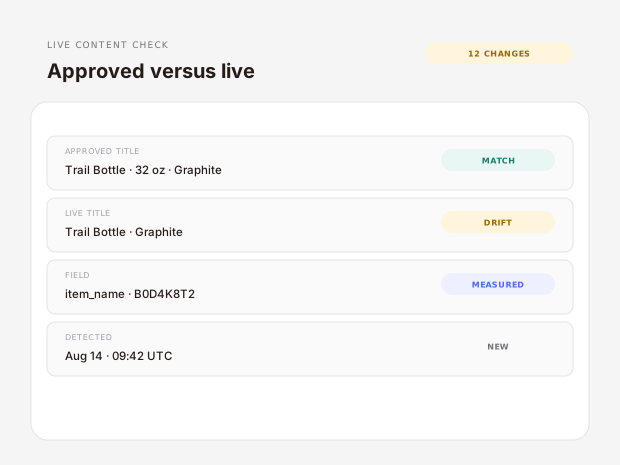
What changed on the live listing?
See approved and live values together with the field, ASIN, marketplace, and detection time, so the first review starts from the exact difference.
Review the listing playbookSolutions · listing optimization
An Amazon listing optimization tool your AI runs on the live catalog through the Selling Partner MCP, so it audits titles, bullets, search terms and variations, rewrites what is thin or suppressed, publishes after your approval, and tells you the day Amazon serves something else.
Updated
Live title differs from the approved version · flagged Aug 14, 2026
How the work changes
Kuudo compares the content Amazon is serving with the standard your team trusts across variants and marketplaces. Each difference arrives with the evidence and the right recovery path, not as another undifferentiated alert.
See approved and live values together with the field, ASIN, marketplace, and detection time, so the first review starts from the exact difference.
Review the listing playbook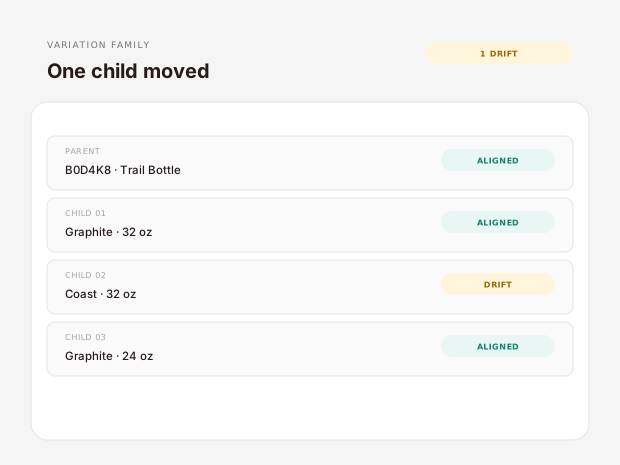
Separate one changed contribution from the rest of its variation family and from intentional marketplace localization before anyone edits the parent blindly.
See the live catalog connection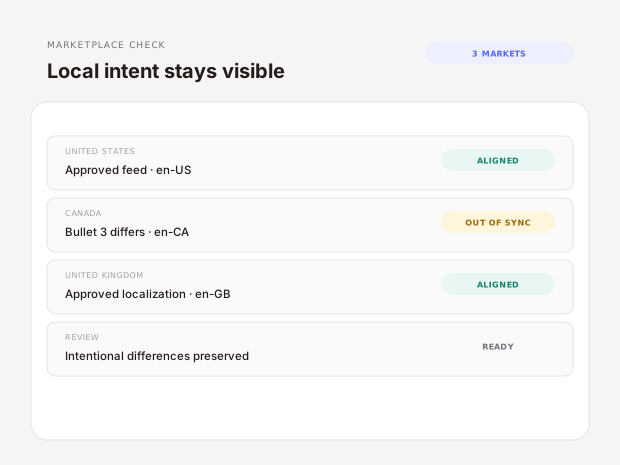
Compare live content with the PIM, feed, catalog file, or brand standard your team already trusts. Kuudo runs your comparison; it is not another required source of truth.
Read the Listing Optimizer docs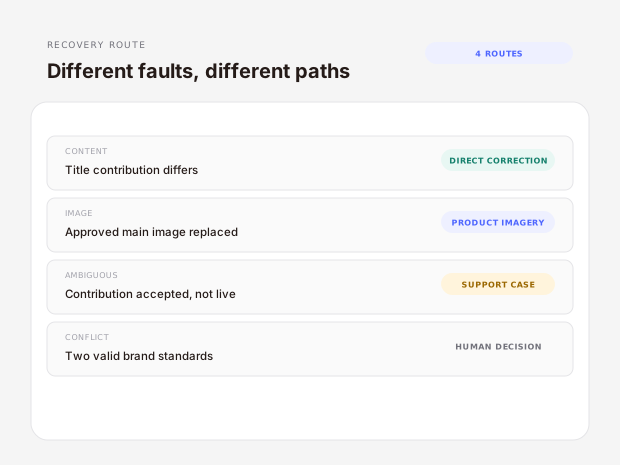
A title contribution, replaced image, unresolved catalog state, and genuine brand conflict need different responses. The workflow routes each one accordingly.
See the product imagery handoff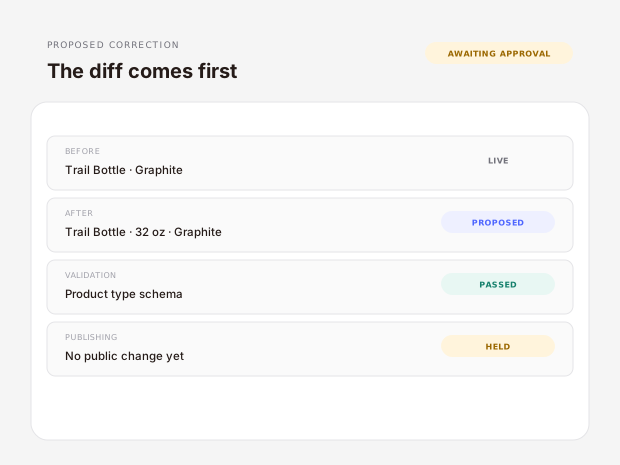
Review the exact before and after, validation, evidence, and destination. Submission and Amazon's eventual live propagation remain separate tracked states.
Review available listing actions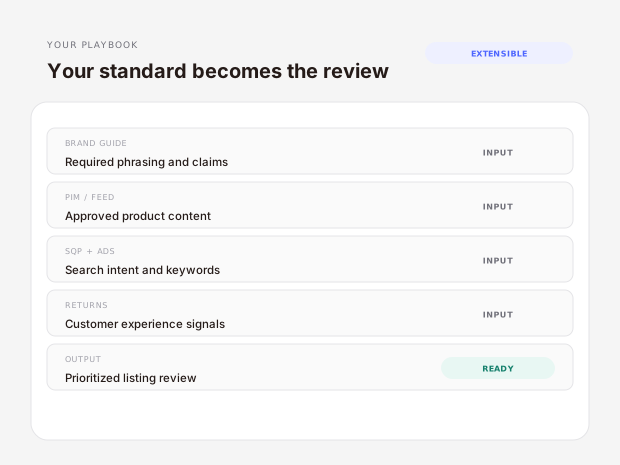
Mix your brand rules and source data with SQP, Ads keywords, returns signals, and other Amazon surfaces in the playbook your team wants to run.
See how Skills stay adaptableMake it yours
Choose the catalog scope, trusted inputs, exception labels, and approval rules. The same live-versus-approved evidence can drive a daily review, an agency handoff, or a recovery queue.
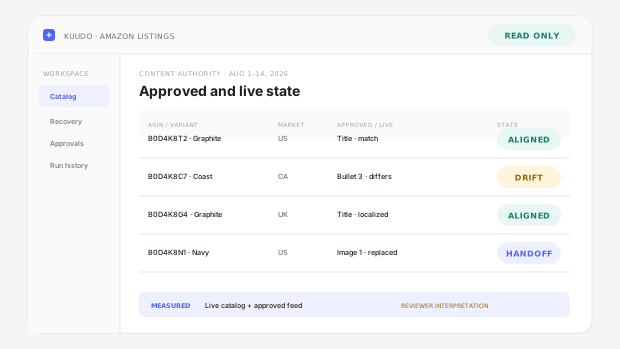
Keep live and approved facts visible beside each other while interpretation stays labelled. Your reviewer can see what changed without mistaking a heuristic for evidence.
See the audit-to-patch playbook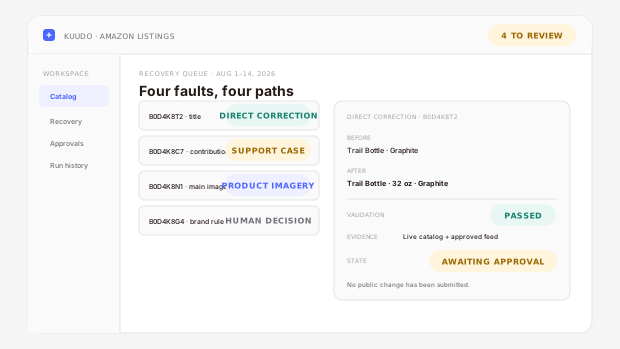
Direct corrections show their diff and validation. Accepted contributions that are not live route to support, image faults go to product imagery, and genuine conflicts wait for a person.
See the product imagery workflowWhere it runs
The live Amazon connection and your content-authority playbook stay consistent across chat, agent, workflow, research, and IDE clients.

Ask which ASINs changed and inspect exact live-versus-approved differences without leaving the conversation.

Run the same catalog review through your scoped Selling Partner connection from Claude.

Hand off recurring variant and marketplace checks while public writes remain behind your approval gates.

Schedule read-only monitoring and route exceptions into the review process your team already runs.

Maintain customer-specific comparison rules beside the repository where your team governs them.

Answer catalog questions from your live Amazon data instead of relying on public-web guesses.
Frequently asked questions
How live content is compared, how variants and marketplaces stay aligned, and what waits for approval.
Guides
Diagnose the issue, choose the smallest safe recovery path, and keep each write reviewable from proposal through propagation.
An agent on Kuudo audits a live Amazon listing, previews the fix with patchListingsItem in VALIDATION_PREVIEW mode, and submits it only after you confirm.

Use live listing status, the suppression reason report, and FBA evidence to diagnose a suppressed or silent ASIN before you apply the wrong fix.
Vendor listing quality stalls on judgment, not mechanics. See how an agent resolves product type schemas and validates Listings Items writes for vendors.
The bottom line
Give your team one view of what Amazon is serving, what you approved, and which exact recovery is waiting for a decision across every variant and marketplace you choose to monitor.