Which image stacks need attention?
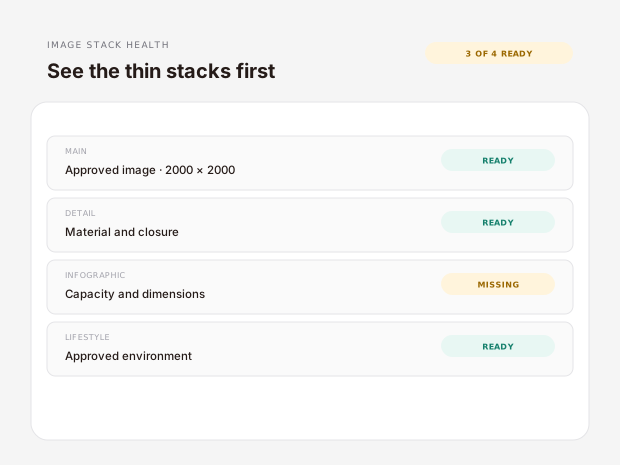
Read live slot coverage, missing views, replacements, and policy risks across the catalog you choose, then prioritize the next useful image instead of checking PDPs one by one.
See Amazon Agent IrisSolutions · product imagery
Ground every image decision in the product data and image stack Amazon is serving through the Selling Partner MCP, then use Amazon Agent Iris to prepare, check, and hold accurate candidates for review.
Main image changed and one slot is empty · flagged Aug 14, 2026
How the work changes
Kuudo reads the live listing and image stack, works from real product material, and prepares only the missing or corrected views your catalog needs. Identity, policy, destination, and approval stay attached from source to publish.
Read live slot coverage, missing views, replacements, and policy risks across the catalog you choose, then prioritize the next useful image instead of checking PDPs one by one.
See Amazon Agent Iris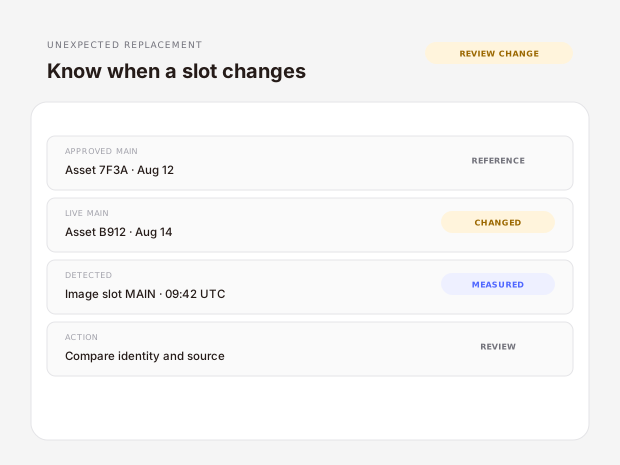
Compare the live slot with the approved stack, see when the difference appeared, and review the source and product identity before choosing a response.
See the live catalog connection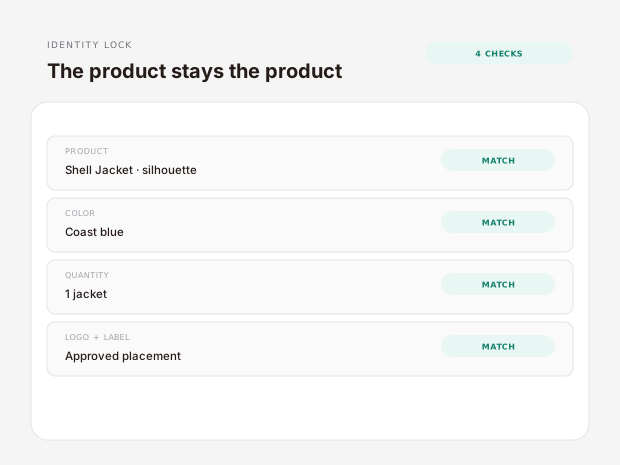
Ground candidates in your product photography and live facts while checking shape, color, quantity, logos, labels, and included contents against the source.
Read the Iris documentation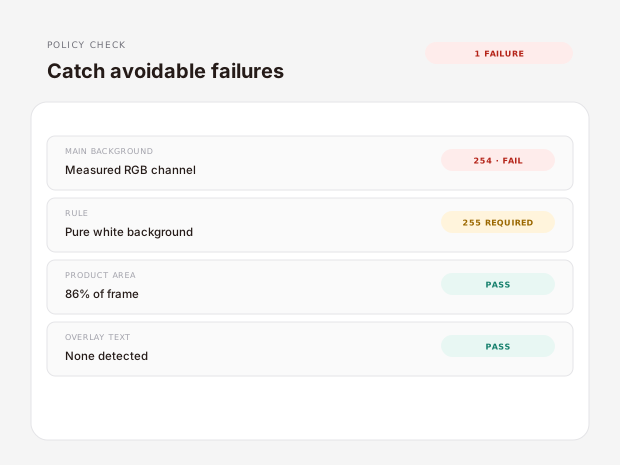
Catch avoidable technical and policy failures before submission, keep every verdict visible, and leave Amazon's final acceptance decision accurately framed.
See image checks in Iris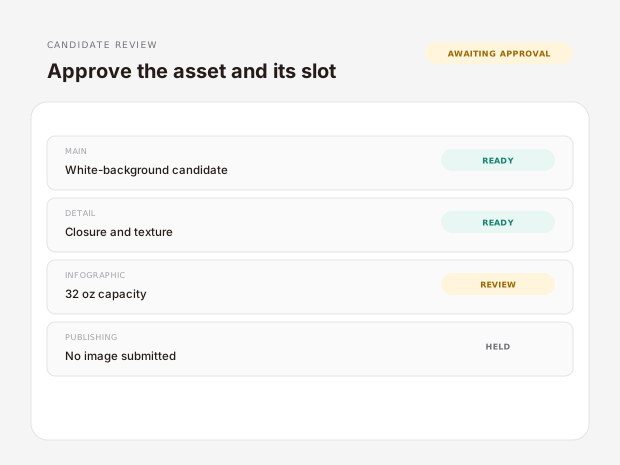
Review the real source, candidate, checks, intended Amazon slot, and publishing state together. Nothing is submitted until the configured approval is present.
Review available image actions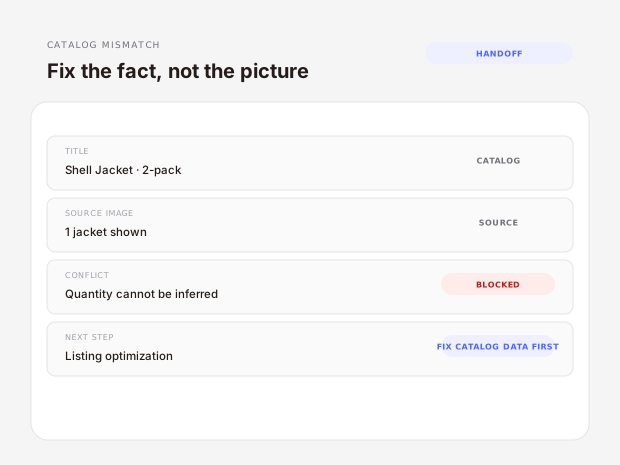
An accurate image cannot repair a contradictory title, attribute, pack count, or variation. Route the underlying product-data conflict to listing optimization first.
See the listing optimization handoffMake it yours
Choose the coverage standard, required views, brand checks, and review roles. Keep each candidate tied to real product material and the current Amazon destination instead of passing anonymous files between tools.
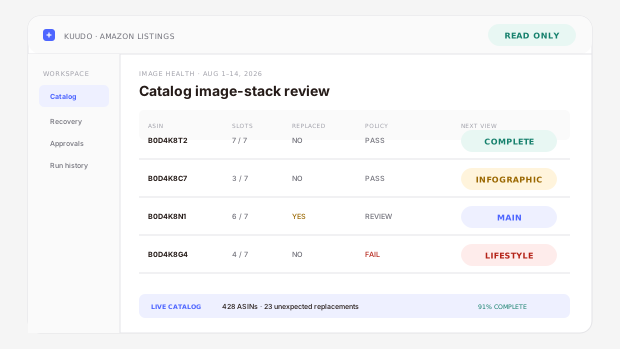
Find thin stacks, changed slots, and policy risks across the selected ASINs. Each row identifies the next useful view without inventing a conversion claim.
See how Iris handles image work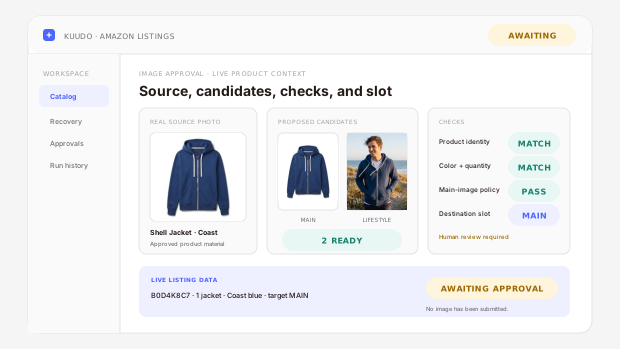
Live product facts constrain the creative work. If those facts conflict with the source image, the workflow stops and sends the catalog correction to listing optimization.
See listing optimizationWhere it runs
Live Amazon context, real product sources, image checks, and approval state stay consistent across chat, agent, workflow, research, and IDE clients.

Ask which stacks are thin or changed and review candidates beside the live product context.

Inspect sources, identity checks, policy verdicts, and target slots through the same scoped connections.

Hand off recurring image-health checks while every public image submission remains behind approval.

Schedule catalog monitoring and route candidate reviews into the creative workflow your team already runs.

Maintain brand-specific image rules and asset workflows beside the code that governs them.

Investigate catalog image questions from private live context instead of inferring from public results.
Frequently asked questions
How live listing context grounds new assets, what gets checked, and what always waits for review.
Guides
Start with real product material, check identity and policy, route catalog conflicts correctly, and publish only the candidates your team approves.
Seed new Amazon listing images from your own photos, grade each against Amazon's image rules, and approve before anything publishes, grounded by Atlas.

Use live listing status, the suppression reason report, and FBA evidence to diagnose a suppressed or silent ASIN before you apply the wrong fix.
Vendor listing quality stalls on judgment, not mechanics. See how an agent resolves product type schemas and validates Listings Items writes for vendors.
The bottom line
Monitor every selected stack, prepare missing views from real product material, and give your team the source, checks, destination, and publishing state in one review.